While supplements can offer benefits for certain health conditions, they can also cause harm if not used properly. Here’s how they can do more harm than good and how you can prevent potential risks:
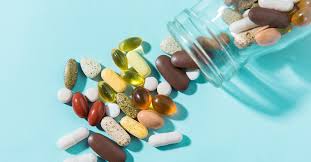
- Overdosing on Nutrients
Taking high doses of certain vitamins and minerals can be harmful, especially fat-soluble ones (like vitamins A, D, E, and K), which can accumulate in the body. This can lead to toxicity and result in symptoms like nausea, headaches, or more serious health issues like organ damage.
Prevention: Always follow the recommended dosage on the label or consult a healthcare professional before adding supplements to your routine, especially for fat-soluble vitamins.
- Interactions with Medications
Supplements, particularly herbs and certain vitamins, can interact with prescription medications, reducing their effectiveness or causing harmful side effects. For example, high doses of vitamin E can interfere with blood-thinning medications, increasing the risk of bleeding.
Prevention: Talk to your doctor or pharmacist before starting any supplement, especially if you’re on medications or have existing health conditions.
- Imbalanced Nutrient Intake
Sometimes, people rely on supplements to fill gaps in their diet rather than improving their nutrition with whole foods. Overusing supplements can lead to nutrient imbalances. For example, taking too much calcium can interfere with the absorption of other minerals, like magnesium or zinc.
Prevention: Focus on a balanced diet rich in whole foods first. Supplements should only be used to address specific deficiencies, not as a substitute for a healthy diet.
- False Sense of Security
Relying on supplements can give you a false sense of health security, leading you to neglect the importance of a well-rounded lifestyle that includes exercise, sleep, and stress management. This can result in poor overall health despite taking supplements.
Prevention: Consider supplements as part of an overall health strategy that includes proper nutrition, regular exercise, and good sleep. Don’t rely solely on supplements for wellness.
- Quality and Safety Concerns
Not all supplements are created equal. Some brands may have quality control issues, potentially leading to contamination or mislabeling. In some cases, supplements may not contain the ingredients listed on the label, or they may have added fillers or contaminants.
Prevention: Choose supplements from reputable brands that undergo third-party testing for purity and potency. Look for certifications from organizations like the U.S. Pharmacopeia (USP) or NSF International.
- Unproven Health Claims
Many supplements come with bold claims, but these aren’t always backed by scientific evidence. For example, certain supplements may claim to “boost energy” or “cure diseases,” but lack the clinical trials to prove such effects.
Prevention: Be cautious of exaggerated health claims. Do your own research and consult with a healthcare professional before trying new supplements.
- Excessive Focus on One Supplement
Focusing on a single supplement can lead to neglecting other important aspects of your health. For example, some people may take excessive amounts of one supplement (like vitamin C) in hopes of boosting their immune system, while ignoring other factors like sleep, exercise, and hydration that are equally crucial.
Prevention: Take a holistic approach to health. Use supplements to complement a balanced lifestyle rather than relying solely on them.
By being mindful of these potential risks, you can use supplements in a way that maximizes their benefits and minimizes harm. Always prioritize a balanced diet and consult with a healthcare professional before adding supplements to your routine.